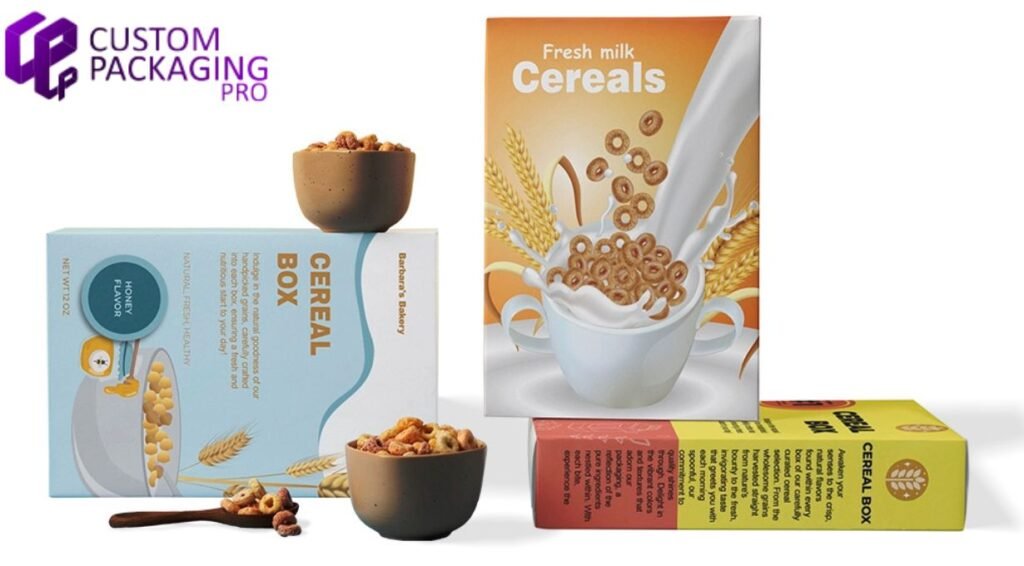
In the competitive food market, packaging is as important as the product itself. For cereals, boxes are not just containers—they represent brand identity, product protection, and shelf appeal. Businesses rely on cereal boxes that are durable, attractive, and compliant with food safety standards. Whether it’s full-size or miniature cereal boxes, the right packaging captures consumer attention while preserving freshness.
Why Cereal Packaging Matters for Businesses
Cereal is a daily staple in millions of households. With such high demand, brands need to ensure their cereal packaging stands out while protecting the product. Packaging plays several key roles:
- Protection: Keeps cereals fresh, crisp, and free from contamination.
- Brand Identity: Custom designs reflect a company’s values and product quality.
- Marketing: Eye-catching graphics and information help drive sales.
- Convenience: Functional packaging ensures easy use and storage.
- Sustainability: Modern brands use recyclable materials to appeal to eco-conscious buyers.
Types of Cereal Boxes and Their Applications
Different cereal products need different packaging styles. Businesses can choose from:
- Standard Cereal Boxes: Ideal for full-size breakfast cereals sold in retail stores.
- Miniature Cereal Boxes: Perfect for hotels, airlines, and promotional packs.
- Family Pack Boxes: Larger boxes for wholesale and supermarket display.
- Display-Ready Boxes: Include perforations for easy retail presentation.
- Travel or Snack-Size Packaging: Compact and portable designs for on-the-go customers.
Each style serves a unique market purpose, helping brands diversify their product offerings.
Materials Used in Cereal Box Production
The choice of material affects freshness, durability, and brand appeal. Common materials include:
- Cardboard: Lightweight, printable, and cost-effective for standard cereal boxes.
- Corrugated Board: Adds extra strength for bulk shipments or export packaging.
- Kraft Paper: Eco-friendly and recyclable, suitable for sustainable cereal packaging.
- Paperboard: Smooth surface for premium printing and finishing.
High-quality materials prevent moisture penetration, keeping cereals crisp and extending shelf life.
Cereal Packaging Material Comparison
| Material Type | Key Features | Best For | Sustainability Level |
|---|---|---|---|
| Cardboard | Lightweight, cost-effective, printable | Standard cereal boxes | ♻️ Recyclable |
| Corrugated Board | Strong, durable, impact-resistant | Bulk and export packaging | ♻️ Recyclable |
| Kraft Paper | Natural, eco-friendly, biodegradable | Sustainable cereal packaging | 🌱 Biodegradable |
| Paperboard | Smooth surface, premium print quality | Retail & luxury cereal packaging | ♻️ Recyclable |
Custom Printing and Branding Options
Custom packaging allows businesses to connect with their audience. With advanced printing, brands can design boxes that stand out through:
- Full-Color Printing: High-resolution graphics and branding.
- Matte or Gloss Finishes: Create different visual effects.
- Embossing or Foil Stamping: Adds luxury for limited-edition cereals.
- Die-Cut Windows: Let consumers see the product inside.
- Custom Shapes & Sizes: Tailored to fit standard or miniature cereal boxes.
These elements transform ordinary boxes into marketing tools that communicate quality and care.
Miniature Cereal Boxes for Promotional and Travel Use
Miniature cereal boxes have become highly popular for convenience and branding. They’re widely used by:
- Hotels: For breakfast servings.
- Airlines: Compact packaging for onboard meals.
- Event Organizers: Promotional giveaways and sample packs.
- Retailers: Combo packs with assorted cereals.
Their small size makes them ideal for sampling and promotional marketing while maintaining the same brand design as full-size boxes.
Sustainability in Cereal Packaging
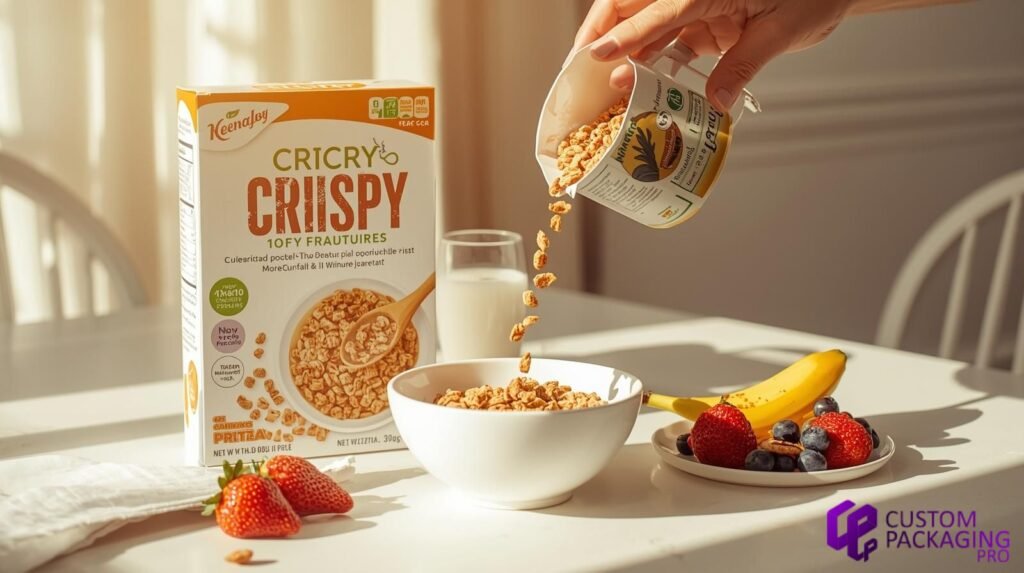
With growing environmental awareness, brands are shifting toward sustainable packaging solutions. Recyclable and biodegradable materials like kraft paper and paperboard reduce waste and align with eco-friendly practices. Businesses benefit from:
- Enhanced brand reputation.
- Compliance with eco-regulations.
- Reduced carbon footprint.
- Long-term cost savings.
Using environmentally responsible packaging strengthens consumer trust and loyalty.
Wholesale Ordering for Consistent Supply
For large-scale operations, wholesale ordering is essential. Buying cereal boxes wholesale offers several advantages:
- Cost Efficiency: Bulk production reduces per-unit costs.
- Consistency: Uniform design across all product lines.
- Quick Turnaround: Faster fulfillment for ongoing production.
- Custom Design Support: Access to professional printing and prototyping.
This approach ensures brands always have high-quality cereal packaging ready for market demands.
Design Features That Boost Shelf Appeal
Visual presentation can make or break a cereal brand. Packaging design should combine color psychology, imagery, and typography effectively:
- Bright Colors: Attract attention in retail aisles.
- Clear Branding: Prominent logo placement enhances recall.
- Product Images: Highlight cereal texture and ingredients.
- Informative Labels: Nutritional facts and certifications build trust.
- Interactive Elements: QR codes or games engage younger audiences.
These design strategies create a strong brand impression and help drive consumer engagement.
Food Safety & Compliance
Cereal packaging must meet food safety standards to prevent contamination. Businesses should ensure:
- Packaging materials are FDA-approved and food-grade.
- Boxes include inner liners to maintain product integrity.
- Labels display accurate nutritional information.
- Adhesives and inks used are non-toxic and safe for food contact.
Compliance protects consumers and maintains a brand’s credibility.
FAQs
Q1: What material is best for cereal boxes?
Cardboard and paperboard are the most common materials, offering durability and print quality.
Q2: Can cereal packaging be eco-friendly?
Yes, kraft paper and biodegradable coatings are great options for sustainable packaging.
Q3: Are miniature cereal boxes customizable?
Yes, miniature boxes can have the same branding and finishes as standard sizes.
Q4: Can cereal boxes be ordered in bulk?
Yes, businesses often purchase wholesale cereal boxes for cost efficiency.
Q5: Are custom shapes and die-cuts available?
Yes, suppliers offer unique shapes, windows, and custom cuts for branding impact.
Q6: How can cereal boxes enhance marketing?
Creative designs, bold colors, and QR codes make boxes effective promotional tools.
Q7: Do cereal boxes have protective coatings?
Yes, matte or gloss coatings protect print and maintain visual appeal.
Q8: Can small brands also get custom packaging?
Yes, flexible order quantities are available for startups and growing businesses.
Q9: Are there moisture-resistant options?
Yes, laminated coatings and liners protect cereals from humidity and spoilage.
Q10: What are the benefits of wholesale cereal packaging?
Lower costs, faster delivery, consistent design, and easier inventory management.
Final Words
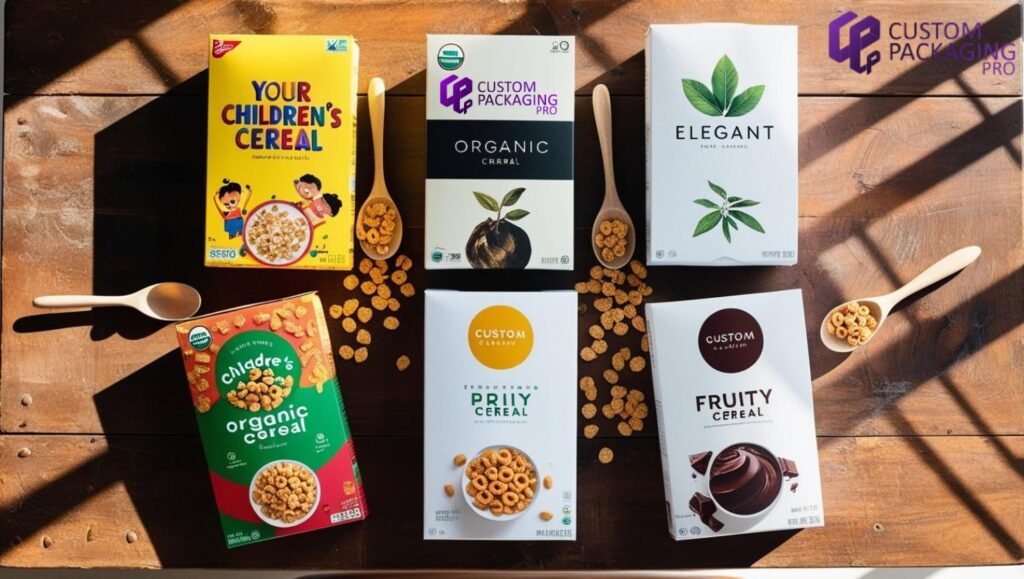
Cereal packaging is more than a marketing tool—it’s the foundation of product quality and brand identity. From cereal boxes to miniature cereal boxes, businesses need packaging that balances function, appeal, and sustainability.
Partnering with Custom Packaging Pro ensures access to premium materials, advanced printing, and cost-effective cereal packaging solutions. With expertise in wholesale custom design, they deliver packaging that keeps products fresh, brands consistent, and customers impressed. Visit Custom Packaging Pro to create packaging that speaks for your brand.