A safe and long-lasting building always starts with a strong foundation. The foundation carries the weight of the entire structure and transfers it to the ground. If the foundation is weak, the building can crack, settle unevenly, or even fail. One of the most common and trusted foundation systems used in construction is the spread footing. Builders and engineers use spread footings in many types of projects because they are simple, strong, and cost-effective.
In this blog, you will learn how spread footings work in building foundations, why they are important, where builders use them, and what makes them reliable. This guide uses easy and simple English words and follows an active voice style for better understanding.
What Is a Spread Footing?
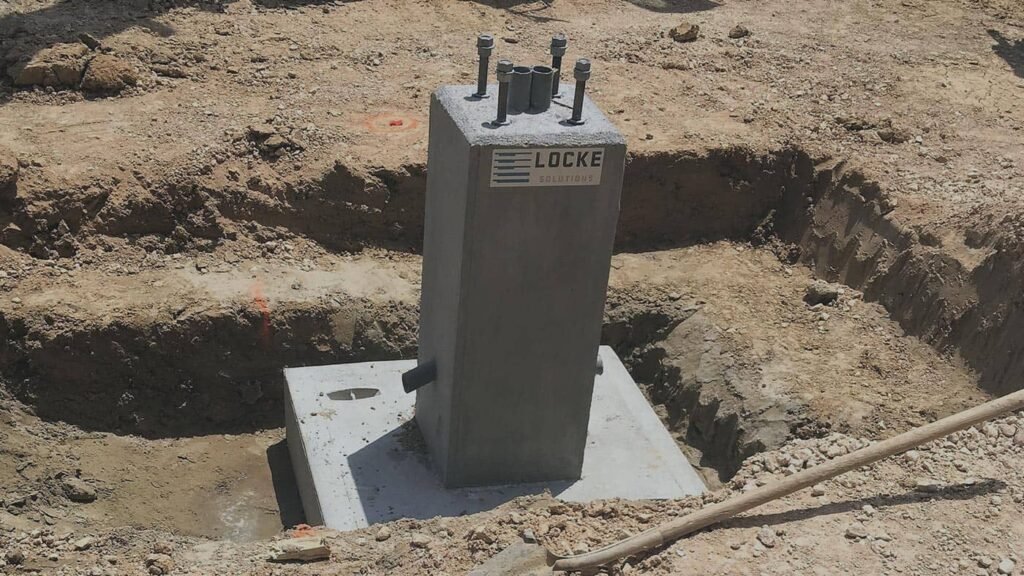
A spread footing is a wide base made of reinforced concrete. Builders place it under a wall or column to support the structure above. The main job of a spread footing is to spread the building load over a large area of soil. When the load spreads out, the pressure on the ground decreases. This helps the soil carry the weight safely.
Spread footings usually sit near the surface of the ground. They work best when the soil is strong and stable. Because of their simple design, spread footings are common in houses, offices, schools, and small commercial buildings.
Why Spread Footings Matter in Construction
Every building applies force to the ground. This force comes from the weight of concrete, steel, walls, floors, furniture, and people. If the ground receives too much pressure in one small area, it can sink or shift. Spread footings solve this problem by distributing the load evenly.
Spread footings help builders:
- Prevent cracks in walls and floors
- Reduce uneven settlement
- Improve building safety
- Lower construction costs
- Meet building code requirements
Because of these benefits, spread footings remain one of the most popular foundation choices.
How Spread Footings Work Step by Step
To understand how spread footings work, it helps to look at the load path from top to bottom.
Step 1: Building Load Moves Downward
The weight of the building starts at the roof and floors. Beams carry this load and transfer it to columns or load-bearing walls.
Step 2: Columns and Walls Transfer the Load
Columns and walls act as vertical supports. They send the load directly down to the spread footing placed beneath them.
Step 3: The Footing Spreads the Load
The spread footing has a wider area than the column or wall above it. This extra width allows the footing to spread the load over a large section of soil instead of concentrating it in one spot.
Step 4: Soil Safely Supports the Load
The soil below the footing receives the load at a safe pressure level. When engineers design the footing correctly, the soil can support the building without excessive movement.
Step 5: Long-Term Stability
Once installed, a spread footing keeps the building stable over time. It reduces movement caused by weather changes, moisture, and daily use.
Types of Spread Footings Used in Buildings
Builders choose different types of spread footings based on the building design and load requirements.
Isolated Spread Footing
This type supports a single column. It usually has a square or rectangular shape. Builders use isolated spread footings in buildings with columns spaced far apart.
Continuous Spread Footing
This footing runs continuously under a load-bearing wall. It spreads the wall load evenly along its length. Most residential homes use continuous spread footings.
Combined Spread Footing
A combined footing supports two or more columns. Builders use it when columns sit close together or when a column sits near a property line.
Stepped or Sloped Footing
This type has steps or slopes to reduce material while maintaining strength. It works well for moderate loads.
Materials Used in Spread Footings
Concrete is the main material used in spread footings. Builders mix cement, sand, aggregate, and water to create strong concrete. They also add steel reinforcement bars, called rebar, to improve strength.
Concrete resists compression well, while steel handles tension. Together, they create a durable footing that can support heavy loads for many years.
Role of Soil in Spread Footing Performance
Soil plays a major role in how spread footings work. Before construction starts, engineers test the soil to measure its bearing capacity. Bearing capacity tells how much load the soil can support without failing.
Spread footings work best when:
- Soil is firm and dense
- Soil has good drainage
- The ground does not shift easily
If the soil is weak or loose, engineers may increase the footing size or choose a different foundation system.
Spread Footing Design Considerations
Engineers design spread footings carefully to ensure safety and performance. They consider several factors during the design process.
These factors include:
- Total building weight
- Column and wall loads
- Soil strength
- Footing size and thickness
- Depth below ground level
- Local building codes and standards
Proper design ensures the footing spreads the load effectively and avoids settlement problems.
Installation Process of Spread Footings
Builders follow a clear process when installing spread footings.
First, workers excavate the ground to the required depth. They then level and compact the soil to create a solid base. Next, they set up formwork to shape the footing.
After placing steel reinforcement, workers pour concrete into the forms. They level and finish the surface before allowing the concrete to cure. Curing helps the concrete gain strength and durability.
Good workmanship during installation is just as important as good design.
Advantages of Using Spread Footings
Spread footings offer many advantages in building construction.
They are:
- Easy to design and construct
- Cost-effective compared to deep foundations
- Suitable for many building types
- Durable and long-lasting
- Reliable under normal soil conditions
Because of these advantages, builders often choose spread footings for low- to medium-rise structures.
Limitations of Spread Footings
Spread footings also have some limitations.
They may not work well when:
- Soil is very weak or soft
- The building is extremely heavy
- Space is limited
- Groundwater levels are high
In these cases, engineers may recommend pile foundations or other deep foundation systems.
Common Uses of Spread Footings
Builders use spread footings in many types of projects, including:
- Single-family homes
- Apartment buildings
- Office spaces
- Schools and hospitals
- Retail and commercial buildings
These footings provide a reliable foundation solution in areas with suitable soil conditions.
Final Thoughts
Spread footings play a key role in building foundations. They work by spreading the load of a structure over a wide area of soil, which reduces pressure and increases stability. Their simple design, affordability, and strength make them one of the most widely used foundation systems in construction.
By understanding how spread footings work, builders and property owners can make better decisions and ensure safe, long-lasting buildings. A strong building always begins with a strong foundation, and spread footings continue to prove their value in modern construction projects.