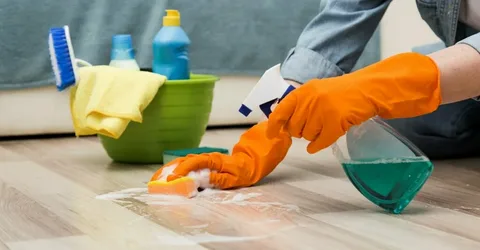
A clean home not only enhances comfort but also contributes to health and well-being. While regular cleaning handles daily dirt and dust, deep cleaning goes further to remove hidden grime, allergens, and bacteria. Deep cleaning every room in your home may seem overwhelming, but breaking it down into systematic steps can make the process manageable and effective. This guide provides step-by-step techniques to tackle each room efficiently.
Preparing for Deep Cleaning
Before beginning, gather all necessary supplies. Essential items include microfiber cloths, sponges, scrub brushes, mop and bucket, vacuum cleaner, cleaning solutions suitable for different surfaces, and gloves for protection. Decluttering the space beforehand is crucial. Remove items from countertops, floors, and shelves so you can reach all surfaces. Having a checklist ready ensures that no area is overlooked during the cleaning process.
Living Room Deep Cleaning
The living room is often the most frequented area and can accumulate dust, dirt, and stains quickly. Start by dusting all surfaces, including shelves, baseboards, window sills, and light fixtures. Upholstery should be vacuumed thoroughly, paying attention to seams and under cushions where crumbs and debris can hide. Consider using fabric-safe cleaning solutions for any stains. Floors should be vacuumed or swept and then mopped if they are hard surfaces. Windows and mirrors should be wiped clean to let in maximum natural light, enhancing the room’s appeal.
Kitchen Deep Cleaning
Kitchens require meticulous attention because of frequent cooking and food preparation. Begin by emptying cabinets and wiping them down inside and out. Clean all countertops with disinfectants and sanitize cutting boards. Appliances such as the oven, microwave, refrigerator, and dishwasher should be cleaned thoroughly. Remove any food residue and grease buildup. Don’t forget small details like knobs, handles, and backsplashes. Floors must be swept and mopped, and trash bins emptied and sanitized. Ensuring a clean and hygienic kitchen prevents bacteria and odors from spreading throughout the home.
Bathroom Deep Cleaning
Bathrooms are high-moisture areas where bacteria and mold can thrive. Start by scrubbing the toilet, sink, and bathtub or shower using appropriate cleaning solutions. Pay close attention to grout lines and corners where mildew may develop. Mirrors should be streak-free, and faucets polished. Replace or launder towels and bath mats, and ensure toiletries are fresh and organized. Regular deep cleaning of bathrooms prevents lingering odors and keeps surfaces sparkling, creating a welcoming environment for residents and guests.
Bedroom Deep Cleaning
Bedrooms should be both comfortable and sanitary. Begin with dusting surfaces such as bedside tables, dressers, and shelves. Launder all bedding, including sheets, pillowcases, and blankets. Vacuum carpets or rugs thoroughly, including under the bed and other furniture. Windows, mirrors, and light fixtures should be wiped clean. Declutter closets and drawers, organizing clothing and other items neatly. A clean and fresh bedroom promotes restful sleep and improves the overall ambiance of the home.
Home Office and Study Areas
With more people working from home, home offices require careful attention. Dust desks, shelves, and electronics using dry microfiber cloths to prevent static. Clean keyboards, mice, and screens with appropriate solutions. Organize papers, books, and supplies to maintain a tidy workspace. Floors should be vacuumed or mopped depending on the surface type. A deep-cleaned office reduces allergens and improves focus, making it a more productive environment.
Hallways and Entryways
Hallways and entryways are high-traffic areas that often accumulate dirt and dust. Sweep or vacuum floors and mop as needed. Wipe down walls, baseboards, and doors, paying attention to fingerprints or smudges. Entry mats should be cleaned or replaced to trap dirt before it spreads indoors. Keeping these areas clean not only improves first impressions but also maintains the overall cleanliness of the home.
Windows, Curtains, and Blinds
Windows, curtains, and blinds can collect dust and grime, affecting air quality and appearance. Clean windows using streak-free glass cleaners, ensuring frames and sills are also wiped down. Curtains can often be laundered or vacuumed, while blinds should be dusted or wiped with a damp cloth. Regular attention to these areas ensures maximum light enters rooms and creates a polished, well-maintained look.
Floors and Carpets
Deep cleaning floors and carpets enhances hygiene and appearance. Carpets can be vacuumed thoroughly, followed by steam cleaning or shampooing for stubborn stains. Hardwood, tile, or laminate floors should be swept and mopped with suitable cleaners. Rugs and doormats should be shaken out, washed, or vacuumed. Maintaining clean floors reduces allergens and prolongs the life of flooring materials, keeping the home inviting and safe.
Final Touches and Maintenance
After cleaning each room, inspect for any missed spots and make final adjustments. Replace items neatly, ensuring furniture and décor are organized. Use air fresheners or essential oils to create a pleasant scent throughout the home. Maintaining a routine of periodic deep cleaning prevents the buildup of dirt and reduces the effort needed for future cleaning sessions.
Deep cleaning every room in your home may require time and effort, but the results are rewarding. A thoroughly cleaned space not only promotes hygiene but also enhances comfort, health, and overall satisfaction. Consistent deep cleaning protects surfaces, prolongs the life of furniture and appliances, and creates a welcoming environment for family, guests, or tenants.
If you are in Birmingham or nearby areas and want professional assistance to keep your home impeccably clean, contact https://thepristineteam.net for reliable and thorough deep cleaning services tailored to every room in your property.