Medical billing is one of the most critical processes in modern healthcare. It ensures that providers receive timely payments, maintain financial stability, and deliver continuous patient care. At the top of the revenue cycle, understanding codes such as pos 22 helps providers correctly classify service locations and ensure accurate reimbursement. Medical billing is not just about sending claims—it’s about creating a structured, efficient relationship between healthcare providers, insurance companies, and patients.
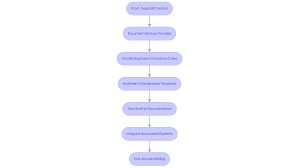
The Backbone of Revenue Cycle Management
Healthcare practices survive on revenue, and medical billing is the backbone of that revenue. Without accurate billing, even the most successful medical facility can face severe financial strain. A reliable billing process increases the rate of approved claims, reduces denials, and improves cash flow. This allows practices to invest in better equipment, highly trained staff, and improved patient services. A well-managed billing system also minimizes errors that could lead to costly audits or compliance issues.
Ensures Proper Documentation and Coding
Medical billing requires precise documentation and coding. Every diagnosis, test, and procedure must be captured using standard codes. Correct coding plays a major role in ensuring claims are processed without delays. Coders and billers must follow regulatory guidelines, including CPT, ICD-10, and HCPCS codes, to maintain accuracy. By maintaining proper documentation, providers significantly reduce the risk of billing fraud, claim rejections, and legal complications. When billing is done correctly, it leads to smoother insurance communication and a more organized practice.
Helps Providers Stay Compliant
Healthcare is heavily regulated, and medical billing helps providers stay compliant with federal and state laws. Compliance rules like HIPAA protect patient data, while insurance regulations ensure fair billing practices. Medical billing specialists ensure that all claims meet required standards before submission. This keeps providers safe from penalties, audits, or potential legal issues. Compliance also builds trust between providers and patients by ensuring transparency in the billing process.
Improves Patient Satisfaction and Trust
Billing errors and unexpected expenses can frustrate patients. Clear, accurate billing ensures patients understand their responsibilities and insurance coverage. A streamlined billing process reduces confusion and helps patients budget for their treatment. When patients see that their provider manages billing professionally, it improves trust and enhances the overall healthcare experience. Good billing practices also help provide financial counseling, payment plans, and insurance guidance for patients who need support.
Reduces Claim Denials and Financial Loss
Claim denials can lead to major financial losses for healthcare practices. Accurate billing dramatically reduces these denials by ensuring claims are correctly coded, documented, and submitted on time. Medical billing experts verify patient eligibility, insurance coverage, and benefits before services are rendered. This reduces the chances of reimbursement delays and helps providers avoid unnecessary write-offs. A well-organized billing department can also follow up on denied claims and appeal them quickly.
Supports Administrative Efficiency
Medical billing streamlines administrative tasks and allows staff to focus more on patient care. Automated systems can track claims, store patient information, and update insurance details in real time. This reduces manual workload and prevents errors caused by paperwork. Providers can also access analytics and reports to track financial performance, identify issues, and make informed decisions. An efficient billing system enables better coordination across departments such as scheduling, insurance verification, and accounting.
Ensures Smooth Insurance Coordination
Insurance companies have complex rules for approving claims, and medical billing serves as the bridge between providers and payers. Billers communicate with insurance carriers to verify coverage, clarify claim details, and resolve disputes. This coordination ensures that providers get paid on time and patients are billed correctly. In the middle of the revenue cycle, medical billers also manage authorization types in medical billing, which are essential for determining whether a service is covered before treatment begins.
Enables Better Financial Planning for Healthcare Practices
Medical billing provides valuable financial insights that help healthcare providers plan and grow. Regular billing reports highlight revenue trends, outstanding payments, and denial patterns. Providers can use this information to adjust strategies, improve services, and forecast future performance. Financial planning ensures a stable practice that is capable of expanding its services and improving patient care. Without reliable billing, such planning would be nearly impossible.
Enhances Overall Operational Stability
A strong billing system enhances the operational stability of healthcare practices. With consistent revenue, providers can manage payroll, upgrade technology, and maintain quality care standards. Medical billing reduces financial uncertainty and ensures that every service rendered is properly compensated. This stability allows healthcare providers to focus on their primary mission—delivering excellent medical care to patients.
Conclusion
Medical billing is more than just a financial process—it is the foundation of a successful healthcare practice. From accurate claim submission to compliance, patient satisfaction, and operational efficiency, medical billing touches every part of the healthcare system. Providers who invest in strong billing practices improve their revenue, avoid legal complications, and maintain long-term stability in an increasingly complex healthcare environment.
FAQs
1. Why is medical billing important for healthcare providers?
Medical billing ensures accurate claim submission, timely payments, and financial stability for healthcare practices.
2. What happens if medical billing is not managed properly?
Improper billing can lead to claim denials, compliance issues, financial losses, and patient dissatisfaction.
3. How does medical billing improve patient experience?
It provides clear communication regarding costs, insurance coverage, and payment options, reducing confusion and frustration.
4. What are common challenges in medical billing?
Coding errors, insurance changes, lack of documentation, and delayed claim submissions are common challenges.
5. Does medical billing affect revenue cycle management?
Yes, medical billing is central to optimizing the revenue cycle and ensuring continuous cash flow.